

Table of Contents
- Why Heritage Outdoor Skin Care Still Works in 2026
- Natural Skin Care for Outdoor Enthusiasts: What Your Skin Faces Outside
- Traditional Remedies for Sun and Wind Burn That Still Hold Up
- Biodegradable Skin Care for Hiking: What Stays Behind in the Water
- Barrier Support, Hydration, and Skin Recovery After the Trail
- Altitude, Microbiome, and the Gaps Modern Guides Skip
- Building an Outdoor Routine With Heritage Formulas
- Conclusion
- Frequently Asked Questions
Last Updated: September 18, 2026
Why Heritage Outdoor Skin Care Still Works in 2026
Walk into any hardware store and you'll find a wall of synthetic sprays and lotions. Yet the formulas loggers, farmers, and backcountry crews relied on a century ago are still on the shelf, and still working. Heritage outdoor skin care is the practice of using traditional, plant- and animal-based formulas, many unchanged since the 1800s, to protect and repair skin exposed to sun, wind, cold, and biting insects.
What Makes a Formula Heritage
A heritage formula is passed down through generations with its core ingredients intact, not reinvented for a trend cycle. Think beeswax, beef tallow, plantain, castor oil, pine tar, and chamomile, ingredients that earned their place because they worked.

The Practical Difference From Modern Synthetics
Synthetic products often rely on a single active ingredient at high concentration. Heritage formulas combine several ingredients that support each other: one draws, one soothes, one seals. That layering is why a traditional salve can handle chapped hands, a bug bite, and a splinter without three separate products.
Natural Skin Care for Outdoor Enthusiasts: What Your Skin Faces Outside
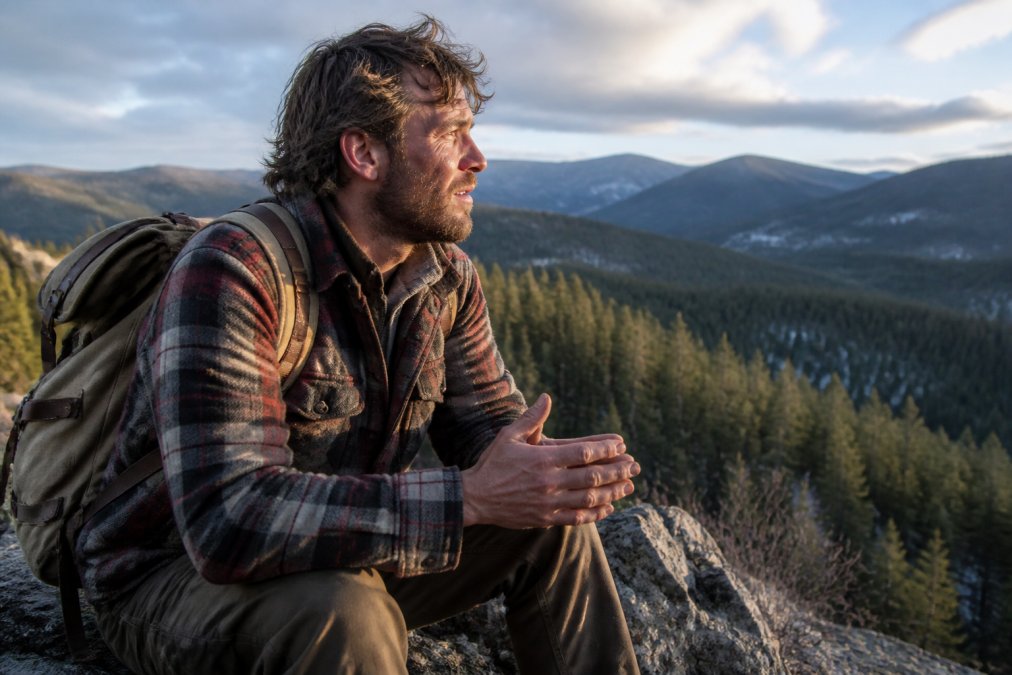
Natural skin care for outdoor enthusiasts starts with understanding the conditions your skin meets on a trail, job site, or farm. Wind strips moisture, cold constricts circulation and slows repair, and sun exposure accumulates damage over years, not hours. Add insect bites, plant sap, and grit, and you have a compounding problem.
Wind, Cold, and Pollution Defense
Cold wind is the quietest threat. It evaporates the skin's natural oils faster than heat does, which is why winter chapping hits hands and lips first. A barrier layer that stays put keeps moisture locked in through a full work day.
Traditional Remedies for Sun and Wind Burn That Still Hold Up
Traditional remedies for sun and wind burn lean on ingredients that calm inflammation and rebuild the skin barrier rather than masking discomfort. Plantain, chamomile, jewel weed, and rose hip oil appear again and again in old recipes for this reason. What separates a heritage approach from a modern one is not the ingredient list, it is the sequence and timing.
What Is Actually Happening in Burned Skin
Wind burn and sun burn are not the same injury, even when they feel identical. Sun burn is a radiation injury: UV exposure damages DNA in skin cells and triggers inflammation that peaks 6 to 24 hours later. Wind burn is a barrier injury: moving air strips the lipid layer that holds water in, so skin dries, cracks, and reacts to the cold and grit that follow.
The Heritage Ingredients and What Each One Does
- Plantain, a traditional astringent and demulcent. It draws heat and fluid out of irritated tissue while coating the surface, which is why it appears in recipes for both burns and bites.
- Chamomile, contains bisabolol and chamazulene, two compounds long used to quiet redness and reactivity. Best applied to skin that is already cooled.
- Jewel weed, the traditional field remedy for contact rashes and poison ivy, often applied as a poultice within minutes of exposure. Its value is speed; it does less once a rash is fully developed.
- Rose hip oil, pressed from the seeds, it carries vitamin A precursors and fatty acids that support the skin's own repair process over the following days.
- Beeswax and tallow, the seal. Neither treats the burn directly; both hold the active herbs against the skin long enough to matter and keep moisture from escaping overnight.
The Order of Operations Matters More Than the Product
Long-time outdoor workers follow a three-step sequence:
- Cool first. Get out of the sun and wind, and bring skin temperature down with cool, not ice-cold, water. An occlusive salve on hot, inflamed skin traps heat and makes the burn feel worse.
- Treat second. Once skin is cool and dry, apply a plantain- or chamomile-based ointment in a thin layer. Thick layers on a fresh burn can clog pores and trap sweat.
- Seal third. Follow with a beeswax or tallow balm on areas that keep facing wind, cheeks, nose, knuckles, lips. This layer prevents the burn from becoming chapping overnight.
What Heritage Formulas Do Not Do
The American Academy of Dermatology's sun protection guidance still recommends shade, protective clothing, and broad-spectrum sunscreen as the first line of defense against sun damage prevention. Heritage formulas complement that approach; they don't replace it. A salve will not undo a sunburn, will not substitute for sunscreen, and should never be applied to blistered or broken skin, that is a medical situation, not a skincare one.
Matching the Remedy to the Exposure
- High-altitude sun, clear day: cool, then chamomile or plantain ointment, then a light balm. Reapply the balm every two hours at elevation.
- Cold wind, overcast: skip the cooling step. Go straight to a beeswax and tallow salve on exposed skin, and reapply after every long descent where wind hits the face.
- Combination burn (sun plus wind, the most common): cool, treat with plantain, seal with tallow. Expect the wind-burn tightness to resolve first and the sun-burn redness to linger a day or two longer.
- Sensitive or reactive skin: start with chamomile alone in a thin layer before adding any sealing balm, and patch-test on the inner forearm the night before a long outing.
Biodegradable Skin Care for Hiking: What Stays Behind in the Water
Biodegradable skin care for hiking matters because whatever is on your skin ends up in the lake you swim in, the stream you filter from, and the soil around your campsite. Formulas built on plant oils, beeswax, and tallow break down far more readily than petroleum-based or heavily synthetic alternatives.
Barrier Support, Hydration, and Skin Recovery After the Trail
Recovery starts the moment you're off the trail, not the next morning. Skin that's been wind-whipped and sun-exposed for eight hours needs barrier-supporting ingredients applied while it's still warm and receptive. The National Institute of Arthritis and Musculoskeletal and Skin Diseases overview of the skin describes the skin barrier as the body's first defense against moisture loss and external irritants, which is why sealing it quickly after exposure matters more than the specific product you choose.
The Two-Hour Window
Recovery products work better immediately after activity than the next day. When skin is still warm from exertion, blood flow to the surface is elevated, the barrier is temporarily more permeable, and the lipids you apply sit closer to where they are needed. Once skin cools and the barrier re-hardens, the same product mostly sits on top. The first two hours after you stop moving are the highest-value window for anything occlusive, salves, balms, heavy butters.
What the Barrier Actually Needs Back
The skin barrier is a lipid matrix, ceramides, cholesterol, and fatty acids in a specific ratio, sitting over flattened skin cells. Outdoor exposure depletes the lipid side of that matrix faster than it depletes water. This is why drinking more water alone does not fix wind-whipped skin: you can be fully hydrated internally and still have a leaky barrier.
Recovery by Skin Type
Skin type changes which recovery step matters most:
- Dry or mature skin: seal first, hydrate second. Apply a tallow or beeswax salve to damp skin within minutes of washing, then layer a lighter lotion on top if the salve feels heavy. The occlusive layer is the base, not the finish.
- Oily or acne-prone skin: the opposite order. Cleanse gently, apply a light, non-comedogenic moisturizer, and reserve the heavy salve for hands, lips, and genuinely chapped patches. Sealing the whole face after a sweaty hike is the fastest way to trigger breakouts in this group.
- Sensitive or reactive skin: fewer ingredients, applied more often. A single plantain-and-chamomile ointment reapplied three times over the first evening outperforms a five-product routine that introduces new irritants to already-stressed skin.
- Combination skin: treat zones separately. Salve on cheeks and jaw, light lotion on the T-zone, the one case where a two-product routine genuinely beats a one-product routine.
Post-Activity Cleansing Without Stripping
The recovery routine fails if the cleanse undoes it. Hot water and foaming, high-surfactant cleansers strip the lipid layer you are about to rebuild. Outdoor workers typically rinse lukewarm with a mild, low-foaming cleanser, then seal immediately while skin is still damp. Skip the washcloth on wind-burned areas; the friction does more damage than the dirt it removes.
A Concrete Recovery Sequence
- Within 15 minutes of stopping: rinse off sweat and grit with lukewarm water. No hot showers after a cold, windy day.
- While skin is still damp: apply a beeswax and tallow salve to hands, lips, and any chapped or wind-burned patches.
- Face, by skin type: light lotion for oily skin, plantain and chamomile ointment for sensitive skin, salve-then-lotion for dry skin.
- Before bed: reapply the salve to hands and lips. Most barrier repair happens overnight, and a covered, sealed surface repairs faster than an exposed one.
- Next morning: assess. If skin is still tight, repeat the sequence. If it has normalized, drop back to your normal routine and reserve the salve for the next outing.
What to Keep in the Pack vs. What Stays Home
A practical split: keep a small balm and a drawing salve in the pack for in-the-field use, and keep the heavier recovery products, the full-size salve, the ointment, the light lotion, at home or in the car for the post-activity window. A full recovery kit on the trail adds weight for products you won't use until the hike is over.
Altitude, Microbiome, and the Gaps Modern Guides Skip
Two things most outdoor skin care guides skip entirely: altitude and the skin microbiome. At higher elevations, UV intensity increases and humidity drops, so the same routine that works at sea level leaves skin dry and burning faster. Repeated exposure to wind, dust, and cold also alters the microorganisms living on your skin, which can leave it more reactive over time.
Building an Outdoor Routine With Heritage Formulas
A workable routine uses three or four products, not ten. The table below maps common outdoor problems to the traditional fix.
| Problem | Traditional Fix | When to Apply |
|---|---|---|
| Chapped, cracked hands | Beeswax and tallow hand salve | Morning and before bed |
| Itchy bites, rashes, eczema | Plantain and chamomile ointment | As needed, up to 3x daily |
| Splinters, stings, boils | Pine tar and charcoal drawing salve | Overnight, covered |
| Cracked lips | Sunflower oil and beeswax balm | Throughout the day |
Conclusion
The hardest part of outdoor skin care isn't finding products; it's building a routine you'll actually keep when you're cold, tired, and miles from the trailhead. Ole Time Woodsman has solved that problem since 1882 with original recipes, no chemicals, and formulas built for hands, faces, and gear that take real punishment. Start with the Woodsman Hand Salve for daily barrier support, add Granny's Ointment for itch and irritation, and keep Granny's Pine Tar Drawing Salve in your pack for splinters and stings.


Frequently Asked Questions
What makes heritage skin care formulas effective for outdoor use?
Heritage formulas were built for people who worked outside all day, so they use heavy-duty ingredients like beeswax, beef tallow, and castor oil that lock in moisture and resist sweat and wind. Ole Time Woodsman's Woodsman Hand Salve ($24.95) combines beeswax, beef tallow, castor oil, fish oil, bay oil, and cedar wood oil in a non-greasy formula for chapped, cracked hands. The ingredients are simple, the ratios were tested over decades, and nothing in them breaks down the moment you start sweating.
Are natural skin care ingredients better for the environment?
They can be, especially when you are swimming, wading, or washing off in a stream. Biodegradable skin care for hiking avoids the synthetic preservatives and petrochemical carriers that linger in water. Ole Time Woodsman's formulas use plant and animal-based ingredients like sunflower oil, beeswax, plantain, and chamomile. That matters for anyone fishing, paddling, or camping near sensitive watersheds where what washes off your skin ends up in the water.
How do traditional remedies for sun and wind burn actually work?
They focus on calming and repairing rather than blocking. Granny's Ointment ($29.95) uses an 1800s recipe with plantain, sunflower oil, beeswax, chamomile, jewel weed, and rose hip oil to soothe irritated, itchy skin after a long day in the sun or wind. Granny's Lip Treatment ($14.95) does the same for cracked lips with sunflower oil, beeswax, beef tallow, castor oil, rose hip oil, and chamomile. Apply after you get out of the elements, not instead of UV protection.
Can one heritage product line handle skin, bites, and gear?
For skin and bites, yes. Ole Time Woodsman's line covers hand repair, lip protection, itchy skin, and drawing out splinters and bug bite irritation. Granny's Pine Tar Drawing Salve ($29.95) uses plantain, sunflower oil, beeswax, pine tar, castor oil, tea tree oil, and charcoal, a 1700s recipe the old timers used on bee stingers, splinters, and embedded dirt. Gear protection is a separate product category, so check the listing before assuming one item covers both.